Buying your first home in Harrisburg can feel exciting right up until you start touring properties and realize that one neighborhood is full of brick rowhomes, another has classic older detached houses, and a short drive away you are seeing ranches and newer suburban builds. If you are trying to figure out what fits your budget, maintenance comfort level, and daily lifestyle, you are not alone. The good news is that Harrisburg’s housing patterns are distinct enough to help you narrow your search once you understand the basics. Let’s dive in.
Why Harrisburg home styles matter
Harrisburg has a different housing mix than many first-time buyers expect. According to the City of Harrisburg’s 2023-2027 Consolidated Plan, 47% of the city’s housing stock is 1-unit attached, while 12% is 1-unit detached. That means attached homes, especially rowhomes and townhouses, play a major role in the city market.
That same local report also shows a 36.6% owner-occupied rate and a median owner-occupied home value of $124,200. For first-time buyers, that can make Harrisburg an appealing place to start your search. At the same time, many homes are older, which means style and condition matter just as much as price.
The city reports that 94% of owner-occupied homes and 86% of renter-occupied homes were built before 1980. In practical terms, many buyers here need to think beyond square footage and curb appeal. You also want to understand likely upkeep, renovation limits, and how each home style tends to live day to day.
Rowhomes and townhouses in Harrisburg
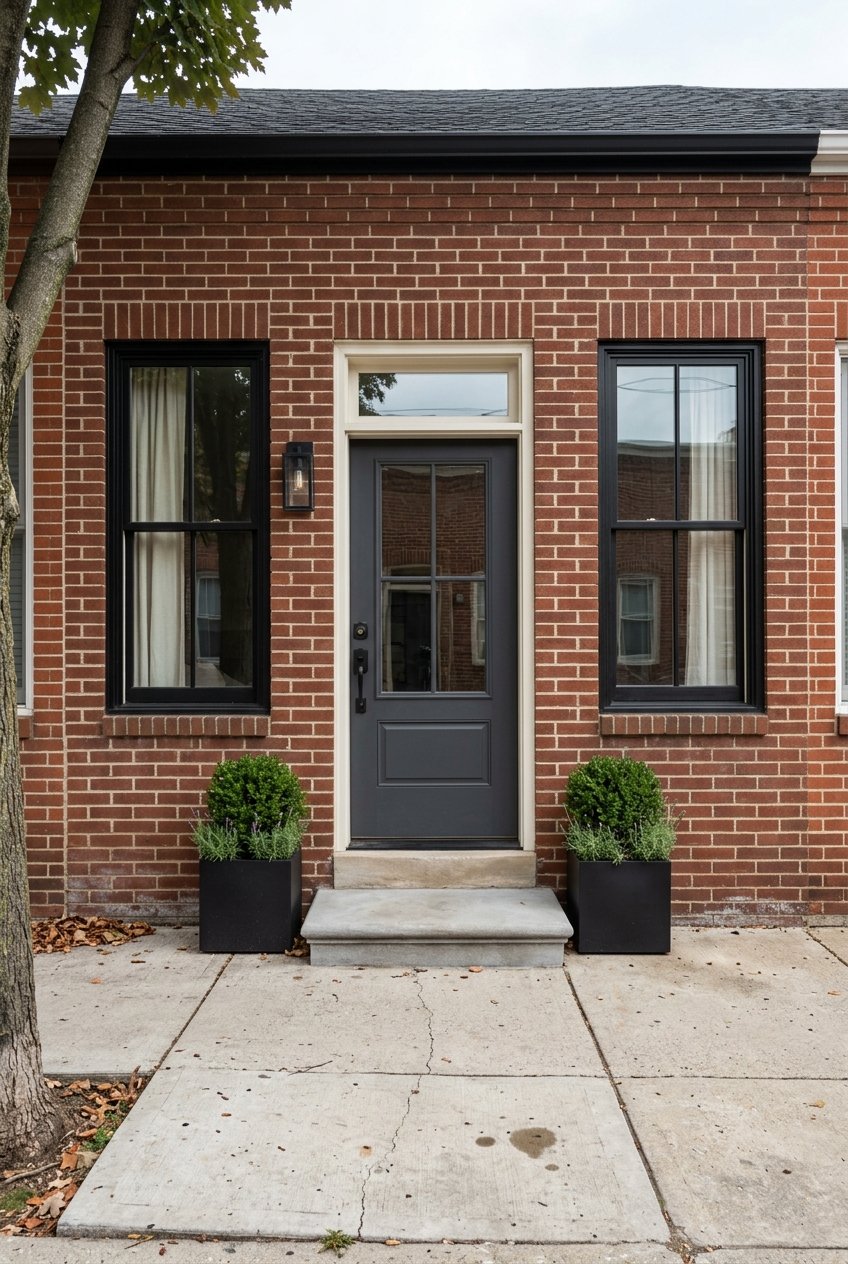
For many first-time buyers, the Harrisburg market starts with attached housing. The National Park Service defines a rowhouse as a dwelling attached on one or more sides to another similar dwelling. In many traditional rowhomes, the layout places a side hallway along one wall, a living room or parlor at the front, the kitchen at the rear, and bedrooms on upper floors.
This home style is especially relevant in older Harrisburg neighborhoods. Midtown is one of the clearest examples, with Second Street blocks lined with townhomes and many buildings dating from roughly 1860 to 1910. Buyers may also encounter attached housing in or near older districts such as Old Uptown Harrisburg, Allison Hill, Shipoke, and Olde Harrisburg.
Why first-time buyers like rowhomes
Rowhomes and townhouses often appeal to buyers who want a compact footprint and close-in city location. If you like being in the urban core and do not need a large lot, this style can make a lot of sense. It can also be a practical entry point into homeownership in Harrisburg.
Because attached homes share walls, they often have fewer exposed exterior walls than a detached house. That can be a plus from a layout and exterior-maintenance standpoint. Still, in Harrisburg, the bigger issue is usually the age of the property rather than the attached design itself.
What to watch for in older attached homes
Many older rowhomes may need attention to the roof, masonry, windows, plumbing, or insulation. Since so much of Harrisburg’s housing stock predates 1980, older-house maintenance should be part of your planning from the start. Lead-paint awareness is also an important local consideration in older homes.
If a property is in one of Harrisburg’s six municipal historic districts, visible exterior changes may be subject to local review. That matters if you hope to replace windows, change porch details, or update exterior materials after closing. A home can be charming and well-located, but you still want to understand the rules and future costs before making an offer.
Colonial Revival and classic brick homes
If your idea of home includes symmetry, brick exteriors, and a more traditional look, you may be drawn to Colonial Revival homes. The Pennsylvania Historical and Museum Commission describes this style as a long-running favorite inspired by earlier Federal and Georgian architecture. Common features include symmetrical facades, columned porches or porticos, front-door sidelights, pedimented doors or dormers, double-hung windows, and side-gabled or hipped roofs.
In the Harrisburg area, Bellevue Park is identified by PHMC as an excellent example of an early landscaped suburban neighborhood with architect-designed homes in popular revival styles. For first-time buyers, that makes established areas like Bellevue Park worth knowing if this look and layout appeal to you.
Why buyers choose colonials
Colonial-style homes often attract buyers who want a formal front appearance and a more traditional room layout. You may find a stronger sense of separation between living spaces than you would in a ranch or some newer homes. For buyers who like defined rooms and classic architecture, that can be a real advantage.
These homes also tend to sit in established neighborhood settings with mature landscaping. That creates a different feel than a dense city block or a newer suburban development. Your decision often comes down to whether you value traditional character enough to take on the upkeep that can come with it.
Maintenance points to consider
Classic brick and Colonial Revival homes often need preservation-minded care. Brick, trim, porches, windows, and older exterior details may require more thoughtful maintenance than a newer build. Mature landscaping can also add beauty while increasing seasonal upkeep.
As with rowhomes, historic district rules can matter here too. Harrisburg’s local historic regulations apply to visible exterior alterations in municipal historic districts. If you are buying a home for its character, make sure you also understand what preserving that character may involve.
Post-war ranches around Harrisburg
If single-floor living sounds ideal, a ranch may be the style to watch. PHMC describes the Ranch style as a common postwar home type with one story, a low-pitched roof, an open and simple floor plan, and often an attached garage or carport. The style was especially popular in the early 1950s and 1960s.
The inside of a ranch often feels different from older homes. The National Park Service notes that 1950s ranch interiors commonly used open floor plans with fewer formal room divisions. If you walk into a house and it feels more casual and connected than a traditional colonial, you may be in a ranch.
Why ranches appeal to first-time buyers
A ranch can be a strong fit if you want simpler circulation and no daily staircase between main living areas and bedrooms. Many buyers also like how straightforward these homes feel. For some first-time buyers, that easier layout can feel more comfortable and practical.
In the broader Harrisburg area, ranches are more likely to show up outside the older city core. Dauphin County housing patterns show that newer single-family detached development has been more common in suburban and rural areas around Harrisburg, while older units are more concentrated closer to the city.
What to inspect in a ranch
Even though ranches may feel simpler, many are still mid-century homes. That means you should look carefully at roof condition, insulation, windows, and original mechanical systems. The style may be easier to live in, but age still matters.
For buyers who want detached living without the formality of a colonial, a ranch can offer a useful middle ground. It often combines practical layout with a more suburban setting. That can be a smart match if your priorities are convenience and manageable space.
Newer suburban builds nearby
Some first-time buyers want to minimize immediate repair needs as much as possible. In that case, newer suburban builds in the first-ring suburbs around Harrisburg may deserve a closer look. Regional planning data shows residential growth has continued mainly in these surrounding areas rather than in the city core.
TCRPC’s 2023 building report found strong housing activity in first-ring suburbs, with Susquehanna Township leading Dauphin County in permits and Lower Paxton also adding single-family homes. The regional trend points toward smaller lots closer to amenities and services, along with infill growth in suburban locations.
Why newer homes attract first-time buyers
Newer suburban homes generally appeal to buyers who want the least immediate rehabilitation risk. The Dauphin County housing study notes that newer suburban and rural detached homes generally do not need significant rehabilitation for livability. That does not remove the need for inspections, but it can reduce the chance that your first year of ownership turns into a major repair project.
This option can be especially helpful if you want predictable systems, a more current layout, and less concern about older materials. If your budget allows for it, a newer build can provide peace of mind while you learn the rhythms of homeownership.
How to match the style to your life
The best first home is not always the most charming one or the newest one. It is the one that fits how you actually want to live and what you can realistically maintain. In Harrisburg, style choice often comes down to location, age, and your comfort with upkeep.
Here is a simple way to think about the main options:
- Rowhomes and townhouses often fit buyers who want a compact home and city proximity.
- Colonial Revival and classic brick homes often fit buyers who want a traditional look and an established setting.
- Ranches often fit buyers who want single-floor living and a simpler layout.
- Newer suburban builds often fit buyers who want less immediate rehab risk.
A smart home search starts with honest answers to a few questions:
- Do you want to be in the city core or in the surrounding suburbs?
- Are you comfortable budgeting for maintenance on an older home?
- Would you prefer traditional rooms or a more open layout?
- Is single-level living important to you?
- If the home is in a historic district, are you comfortable with exterior review requirements?
A practical Harrisburg buying mindset
For first-time buyers, Harrisburg offers real variety, but that variety comes with tradeoffs. The city core is heavily attached and historic, while newer detached housing is more common in the first-ring suburbs. Once you understand that pattern, your search becomes a lot more focused.
Instead of asking only, “What can I afford?” it helps to ask, “What kind of homeownership experience do I want?” That shift can save you time, reduce surprises, and help you choose a home style that supports your budget and lifestyle from day one.
If you are weighing older city character against suburban simplicity, it helps to have a local team that can walk you through the differences clearly. The John Smith Team is here to help you compare options, understand what to look for, and move forward with confidence.
FAQs
What home style is most common in Harrisburg for first-time buyers?
- In Harrisburg, attached housing is especially common, with the city reporting 47% 1-unit attached structures and 12% 1-unit detached structures.
What should first-time buyers know about older Harrisburg homes?
- Many Harrisburg homes were built before 1980, so buyers should pay close attention to maintenance needs such as roofs, windows, masonry, plumbing, insulation, and lead-paint awareness.
What is a Harrisburg rowhome or townhouse?
- A rowhome is a dwelling attached on one or more sides to another similar dwelling, often with a front living area, rear kitchen, and bedrooms on upper floors.
What makes a Colonial Revival home easy to spot in Harrisburg?
- Common features include a symmetrical facade, brick or traditional exterior materials, double-hung windows, columned porches or porticos, and side-gabled or hipped roofs.
Where are ranch homes more common near Harrisburg?
- Ranch homes are more commonly associated with suburban areas around Harrisburg, where more detached postwar and later development has occurred.
What should buyers know about historic districts in Harrisburg?
- Harrisburg has six municipal historic districts, and visible exterior alterations in those districts may be subject to local review under city historic district regulations and design guidelines.