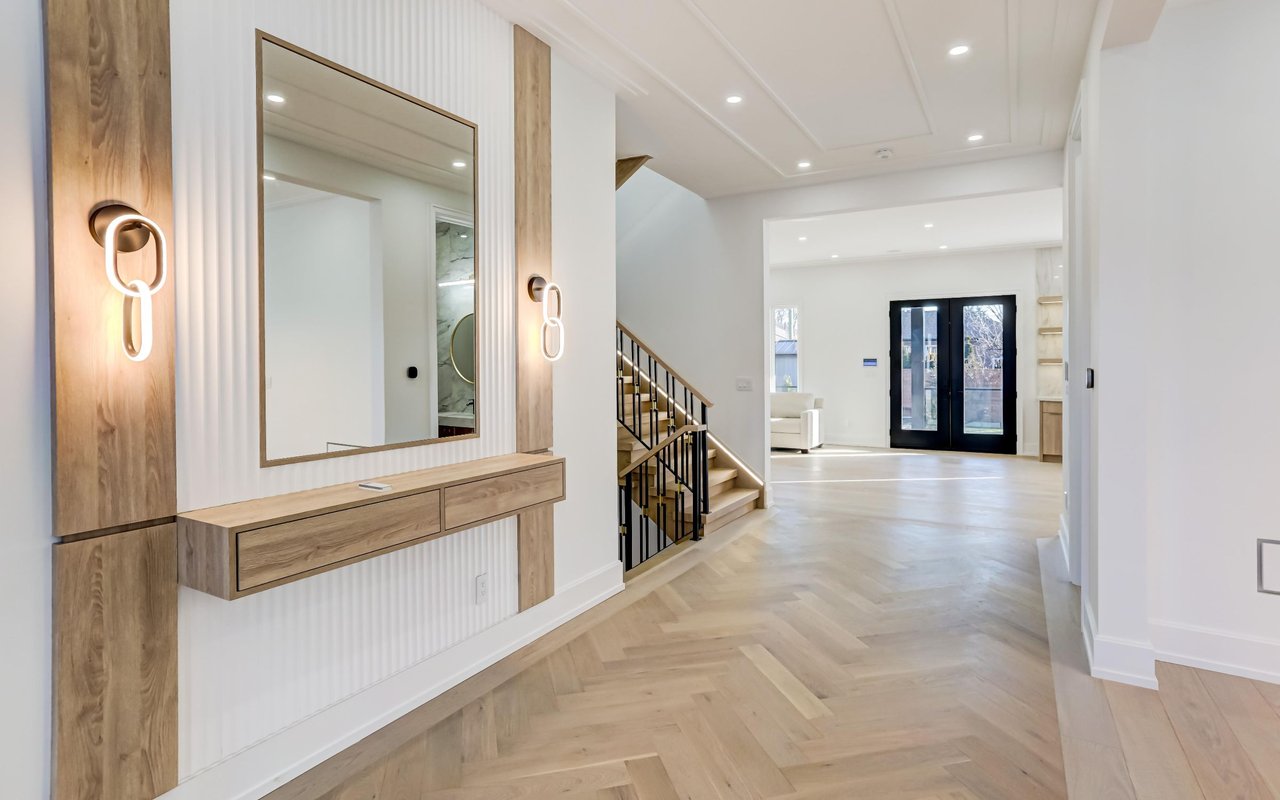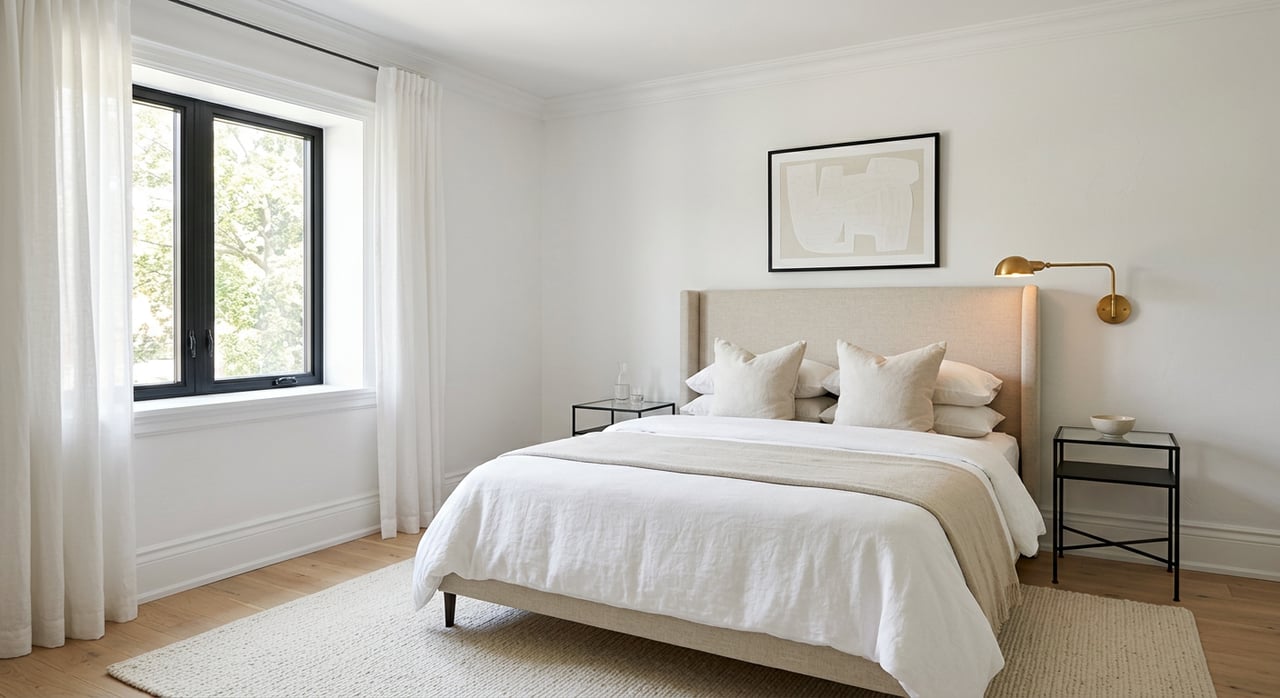
Thinking about listing your Harrisburg home in the next 12 months? You are not alone, and a smart staging plan can help you stand out as the market normalizes. Greater Harrisburg finished 2025 in more balanced conditions, with Dauphin County’s median sold price near $240,000 and days on market ticking up. Inside the city, many smaller, older rowhouses trade at lower medians, so a targeted, cost‑aware approach matters. In this guide, you will get a practical, room‑by‑room plan tailored to Harrisburg and Dauphin County, with simple updates, photo‑first staging, and a timeline you can follow. Let’s dive in.
Why staging matters in Harrisburg
Staging works. According to recent research, many agents report staged homes both sell faster and attract higher offers, with a frequent 1% to 10% lift in offer price for staged properties. Harrisburg is also drawing affordability‑minded buyers, including many first‑time purchasers in 2026 who prefer move‑in‑ready spaces with clear storage and functional layouts. That buyer mix rewards homes that feel bright, clean, and easy to understand at a glance.
Staging spend should fit your likely buyer pool and price band. Suburban Dauphin County homes can justify a few higher‑impact exterior or kitchen updates that often recoup well. In the city, lean into lower‑cost visual upgrades that photograph beautifully and show maximum usable space.
- Read the market backdrop: the Greater Harrisburg area moved toward balance at the end of 2025 (GHAR market snapshot).
- Expect first‑time buyers in the mix: Harrisburg ranked highly for first‑time buyer appeal in 2026 (GHAR buyer forecast).
- Staging’s payoff: buyers and agents report staging boosts sale prices and reduces time on market (NAR research).
- Where small updates shine: exterior and minor kitchen projects tend to deliver strong first impressions and solid resale value (Cost vs. Value insights).
Whole‑home basics that sell
Before you tackle individual rooms, set a clean, neutral baseline across the house.
- Declutter and deep clean. Box up personal photos and collectibles, thin out shelves, and open up closets to read as spacious. It is low cost and high impact.
- Neutralize paint and finishes. A fresh, light neutral (soft white, light greige) photographs well. Consider a tasteful front door accent color to welcome buyers and strengthen curb appeal.
- Maximize light. Clean windows, open shades, and use warm LEDs. Add a lamp to any dim corner to keep photos bright and consistent.
Tailor your plan by property type
Harrisburg rowhomes and historic townhouses
City rowhomes in neighborhoods like Midtown, Allison Hill, and Shipoke often have narrower footprints, compact kitchens, and sometimes multiple tight stairways. Your goal is to make the layout read clearly and feel more open.
- Remove bulky furniture and use slimline or mid‑scale pieces to improve traffic flow.
- Float a smaller sofa or a love seat with a light rug to define a conversation zone.
- Add a mirror to deepen sightlines in long, narrow rooms.
- Keep finishes simple and neutral while highlighting original details like brick or trim.
Suburban and outer‑Dauphin homes
Wider rooms and larger kitchens create opportunities to lean into outdoor living and light kitchen refreshes.
- Boost curb appeal first: tidy landscaping, a fresh door color, and updated entry lighting are high‑impact.
- Consider a minor kitchen update if comps support it: refaced doors, modern hardware, and a clean backsplash can reset first impressions at a modest cost (Cost vs. Value insights).
- Stage a deck or patio with a simple seating set to reinforce lifestyle value.
Room‑by‑room staging checklist
Entry and curb appeal
First impressions start at the sidewalk. Clean the walkway, edge the lawn, trim hedges, and power‑wash steps. Update the porch light and door hardware, and add two seasonal planters for color. Estimated budget: $100 to $1,500 depending on scope.
Living room or main gathering space
Buyers rank the living room as the single most important room to stage, so prioritize this space if your budget is tight (NAR staging priorities).
- Remove extra seating and clear traffic paths to make the room feel larger.
- Create one defined conversation grouping with a rug that fits the seating footprint.
- Open or remove heavy drapery for brighter photos. Add two coordinated throw pillows for a crisp finish.
Kitchen
Kitchens do not have to be fully remodeled to win buyers.
- Clear counters and store small appliances. Style with a bowl of fruit, a tea towel, and a small vase.
- Swap dated hardware, update fixtures, and refresh caulk and grout.
- If appropriate for your price point, consider a minor refresh such as refacing, new counters, or a painted cabinet update. Estimated budget for refresh: about $500 to $15,000 depending on scope (Cost vs. Value insights).
Primary bedroom
Aim for calm and uncluttered. Make the bed with simple, layered neutral bedding. Clear nightstands to a lamp and one book or plant. Remove personal photos and ensure the closet has breathing room so it looks capacious.
Secondary bedrooms and flex spaces
Give each room a clear purpose. In smaller homes and rowhouses, function sells.
- Stage a spare room as a tidy home office with a desk, a lamp, and a plant.
- If office demand is lower, present a simple guest room with neutral bedding and a single piece of wall art.
Bathrooms
Buyers equate bright, clean bathrooms with good maintenance.
- Replace shower curtains if worn, update rugs and towels, and add a small tray with soap and a plant.
- Re‑caulk and re‑grout as needed. Consider swapping a dated vanity light for a clean, modern option.
- Estimated budget for a cosmetic refresh: $100 to $2,500 (bathroom refresh ideas).
Basements, attics, and storage
Organize and brighten these areas to boost perceived utility. Clean, de‑mold, and add lighting where needed. In finished basements, define a media or play corner to show versatility. Label storage bins and keep floors clear for easy walkability.
Outdoor spaces
Show buyers how they will live outside. Mow and edge the lawn, add planters, and stage a small bistro set on a patio or deck. For city rowhomes, style the front stoop with a clean mat and planters, and tidy any small backyard with string lights for charm. Estimated small landscaping budgets: roughly $150 to $3,000 depending on scope.
Photos and virtual staging the right way
Most buyers start online, so stage first and then schedule photos. Order images to tell a clean walkthrough story: hero exterior, main living areas, kitchen, bedrooms, baths, then outdoor living. Keep interior lights on for consistent color, and aim for daytime shoots.
Virtual staging can be a cost‑effective tool for vacant or awkward rooms if done transparently. Bright MLS requires clear disclosure that an image has been virtually staged and prohibits adding or removing permanent features. Best practice: label images as “Virtually staged,” include the original unaltered photo alongside the staged version when possible, and add a short disclosure in public remarks (Bright MLS guidance overview).
Budget tiers and what staging typically costs
Every home and price point is different, but these ballpark ranges help you plan:
- Low budget (about $0 to $800). Deep clean, declutter, DIY paint and hardware swaps, and a short‑term storage unit if needed. Often right for many city rowhomes. A staging consultation plus DIY can stretch dollars (typical staging costs).
- Mid budget (about $800 to $3,500). Professional consultation plus partial staging for the living room and primary bedroom, a light kitchen refresh, pro photos, and curb appeal touches. Good for many suburban or tougher city listings.
- Higher budget (about $3,500 to $12,000+). Full vacant staging plus minor kitchen or exterior updates and enhanced marketing assets. Consider this when neighborhood comps and price targets support the spend.
Timeline: 6–12 months to launch
Working backward from your target list date helps prevent last‑minute stress.
- 6–12 months out. Inventory what stays, what goes, and what to store. If planning any minor remodels, schedule contractors and confirm budget.
- 2–4 months out. Declutter, deep clean, paint touchups, and flooring fixes. Book your staging consultation.
- 2–4 weeks out. Finalize staging and complete pro photography. If using virtual staging, prepare both original and labeled staged images as required.
- Listing week. Upload photos and disclosures, finalize remarks, and go live.
Spring often draws the most attention, with mid‑April frequently cited as a strong window for visibility in national analyses (seasonality insight). If you are targeting spring, begin decluttering and repairs during winter.
Local rules and practical safeguards
- Seller disclosures. Pennsylvania requires a Seller’s Property Disclosure Statement. Disclose known material defects and never use staging to conceal issues. Consider a pre‑listing inspection if you are unsure about conditions (PA disclosure overview).
- Permits and exterior work. Many cosmetic changes do not require permits, but structural or flood‑area work often does. If your property is near the river in neighborhoods with flood considerations, confirm rules with the City before starting larger projects.
- MLS compliance. If you use virtual staging, include clear labeling and avoid adding or removing permanent features. When in doubt, add the phrase “One or more photos were virtually staged” in public remarks and verify specific Bright MLS wording (Bright MLS guidance overview).
Harrisburg seller staging toolkit
As you plan, consider interviewing vendors who routinely support local listings:
- Staging consultant or partial‑staging stylist
- Furniture rental company for vacant rooms
- Professional real‑estate photographer
- House cleaning and handyman services
- Electrician and lighting installer
- Painter and flooring refinishers
- Landscaper or lawn service
- Short‑term storage unit provider
- Licensed general contractor for any structural work
Ask for proof of insurance, before‑and‑after photos, and clear scopes. For furniture rentals, confirm minimum contract length and renewal rates, and compare at least three estimates.
Next steps
Staging is about telling a clear story to your most likely buyer. In Harrisburg and across Dauphin County, that often means brightening spaces, simplifying layouts, and making a handful of smart, high‑impact updates. Start with the basics, choose two or three hero areas to perfect, and support your work with professional photography and transparent marketing.
If you want help prioritizing the right updates for your home and price point, reach out to The John Smith Team for a customized staging plan and a market‑backed pricing strategy. We are ready to guide you from prep to sold.
Request a Free Home Valuation from The John Smith Team.
FAQs
What rooms should Harrisburg sellers stage first?
- The living room, primary bedroom, and kitchen typically influence buyers the most, so start there for maximum impact (NAR staging priorities).
How much does home staging usually cost in Dauphin County?
- Budgets vary by scope, but many sellers spend roughly $0 to $800 for DIY and consults, $800 to $3,500 for partial staging, and $3,500 to $12,000+ for vacant staging and upgrades (typical staging costs).
Are minor kitchen updates worth it before selling in the suburbs?
- Often yes. Light refreshes like hardware, lighting, refacing, or counters can improve first impressions and help resale value when supported by neighborhood comps (Cost vs. Value insights).
How should I handle virtual staging for a Harrisburg listing?
- Clearly label virtually staged images, include original photos, and do not add or remove permanent features to stay within Bright MLS rules (Bright MLS guidance overview).
When is the best time to list to maximize staging impact?
- Spring commonly delivers higher buyer attention, with mid‑April often a strong week in national tracking, though your ideal launch depends on local comps and readiness (seasonality insight).