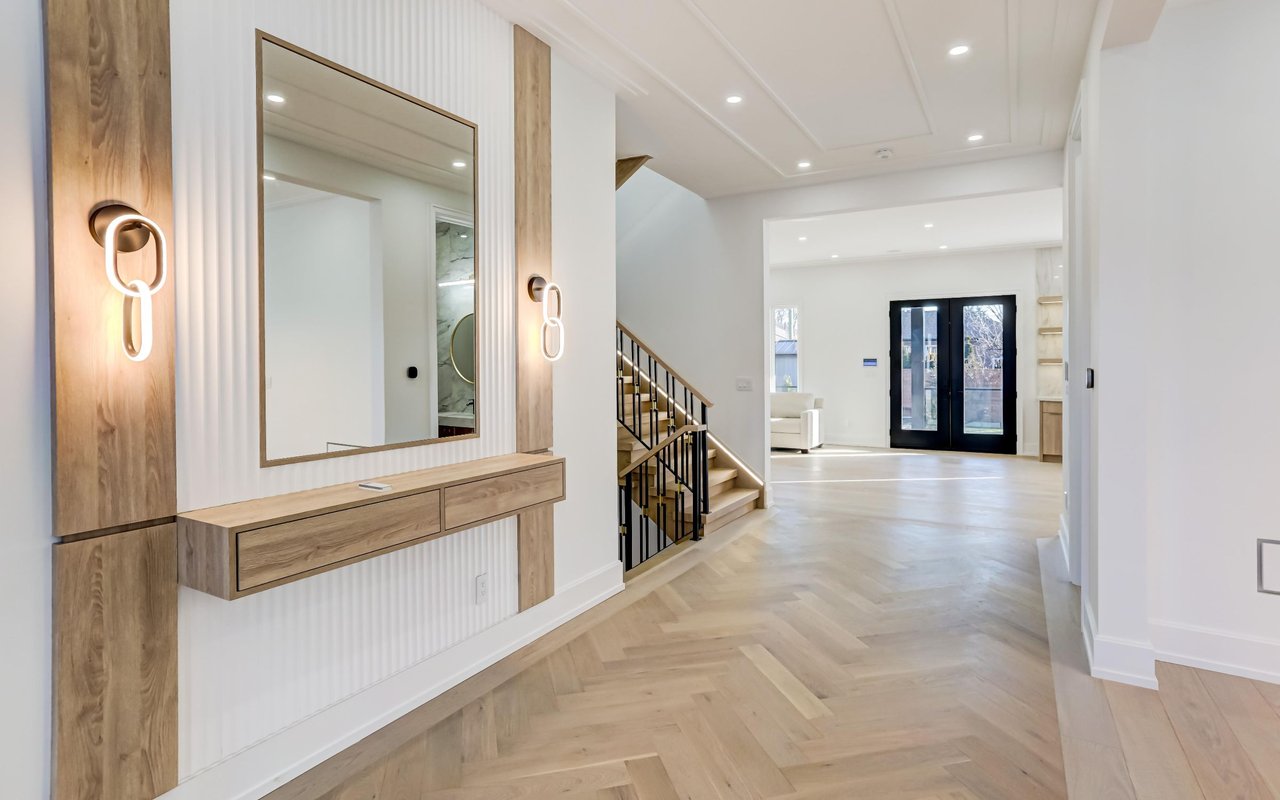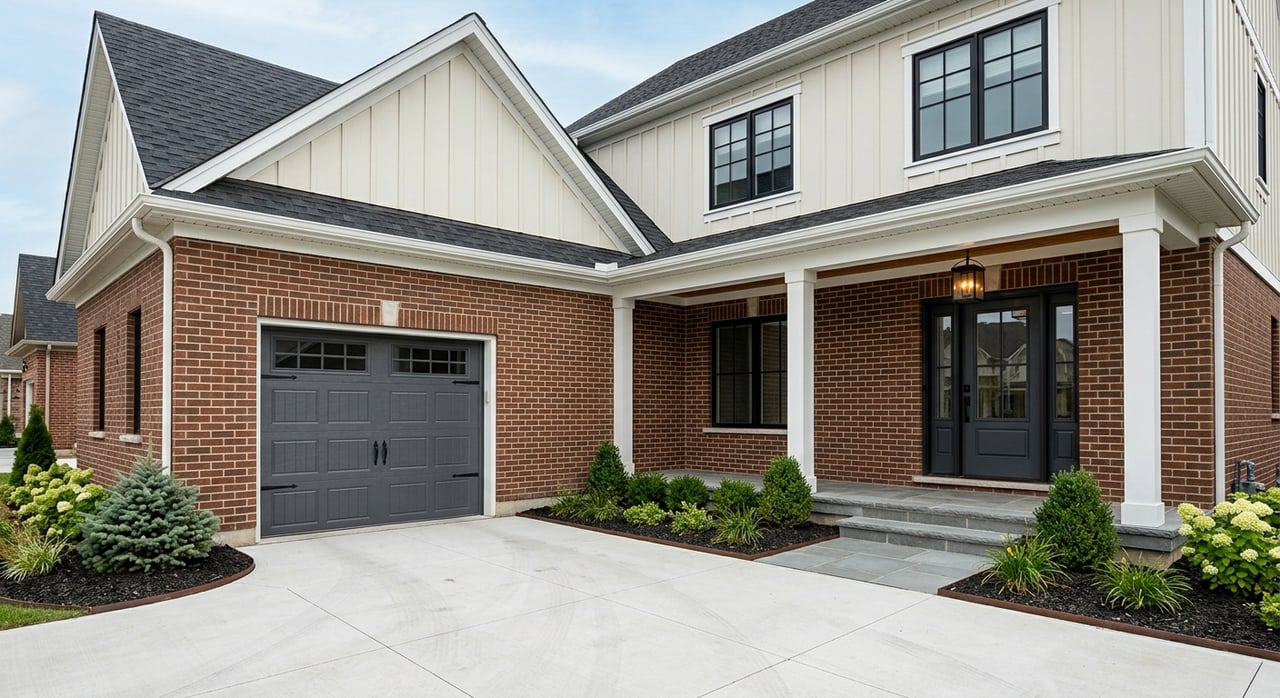
If you are thinking about buying a newly built home in Hummelstown, you are not alone. New construction can be exciting because you get modern layouts, newer systems, and in some cases the chance to personalize finishes before move-in. It can also feel more complex than buying a resale home, especially when timelines, permits, lot details, and builder contracts all come into play. This guide will help you understand what to expect in Hummelstown so you can make confident decisions from day one. Let’s dive in.
Hummelstown new construction at a glance
Hummelstown sits within a broader Central Pennsylvania new-construction market, and your options may include both homes in planned communities and custom builds on individual lots. Current countywide listings show 10 builders in 22 communities in Dauphin County, with listed prices ranging from about $309,990 to $859,900.
At the same time, supply around Hummelstown appears limited and can move quickly. Public builder pages show examples like a sold-out Hummelstown community and a nearby future subdivision in South Hanover Township with pricing still to come. That means if you are serious about buying new construction here, it helps to be prepared early and stay flexible.
Understand the Hummelstown address issue
One of the most important details to verify is the exact municipality of the property. A home may have a Hummelstown mailing address but still fall outside the Borough of Hummelstown.
That matters because rules, fees, services, and approval processes can differ depending on whether the property is in the borough or a nearby township. Before you commit to a lot or contract, make sure you know exactly which municipality governs the property and what that means for permits, utilities, and ongoing costs.
Your three main build options
Most buyers looking at new construction in the Hummelstown area will fall into one of three paths. Each one comes with a different level of customization, timeline, and decision-making.
Quick move-in homes
A quick move-in, sometimes called a spec home, is usually the simplest path. The builder has already chosen the floor plan and many of the finishes, and construction may already be underway or nearly complete.
This option can work well if you want a newer home without waiting through the full build process. It may also reduce the number of design decisions you have to make.
Semi-custom community builds
In a community build, you typically choose from a set of plans, homesites, and finish packages. You may have some flexibility with selections, but the builder usually controls the overall process and available options.
This can be a good middle ground if you want personalization without starting from scratch. Just be sure to ask what is included in the base price and what counts as an upgrade.
Custom homes on a lot
A true custom build gives you the most control, but it also requires the most planning. Local custom builders describe a process that includes design and planning, pre-construction and permitting, construction, and warranty follow-up after move-in.
This option may be ideal if you already own land or want a more tailored home. It also tends to bring more site-related questions, such as grading, utility access, driveway placement, and stormwater design.
What affects your timeline most
Many buyers assume the size of the home is the biggest factor in how long construction will take. In reality, timing often depends more on permits, site work, utility coordination, material lead times, and how quickly selections are finalized.
If a lot needs grading or utility extensions, or if you wait too long to choose finishes, your timeline can stretch. In this market, it is smart to expect a lot of decisions before framing even begins.
Why the lot matters as much as the house
When you buy new construction, you are not just buying a floor plan. You are also buying the conditions of the lot and the work needed to make that lot build-ready.
In Hummelstown, the local subdivision and land development rules cover much more than just lot lines. They address streets, easements, sewer and water systems, sidewalks, curbs, storm sewers, street lights, fire hydrants, and other public improvements that can affect cost and timing.
For you, that means two homes with the same model price may have very different total costs depending on the lot. A lot that needs additional site work or utility coordination can change your budget quickly.
Borough permits and fees to know
If the property is in the Borough of Hummelstown, the permit process is detailed. The borough’s zoning page includes the zoning ordinance, subdivision and land development ordinance, building permit application, zoning permit application, and fee schedule.
The zoning permit application requires a detailed site or plat plan that shows setbacks and impervious coverage. The building permit application also requires contractor registration information and a workers’ compensation declaration. Current residential application fees listed by the borough include an $85 zoning permit application fee and a $55 residential building permit application fee.
These fees are not usually the biggest line item in your build, but they are a reminder that local approvals are part of the process. It is worth asking your builder exactly what they handle and what may still require your review or signature.
Stormwater can affect design and costs
Stormwater is an important local consideration in Hummelstown. The borough has emphasized managing and upgrading aging stormwater infrastructure, and its stormwater program uses impervious-area concepts based on an ERU of 3,600 square feet.
Why does that matter to you? Because features like larger driveways, patios, roofed outdoor areas, and accessory structures may affect impervious coverage and could influence both plan approval and ongoing stormwater-related costs.
This is one more reason to look beyond the house itself. If you are comparing lots or planning upgrades outside, ask early how those choices may affect the overall project.
Ask utility and connection questions early
New construction budgets can get off track when buyers assume utilities are already in place. In Hummelstown, the borough bills sewer and refuse quarterly, and sewer treatment is handled through the Swatara Township Wastewater Treatment Plant.
The local fee schedule also references sewer connection charges and sidewalk or curb permit fees. Before you move forward, ask whether the lot already has utility connections in place and whether any frontage work, connection charges, or public-improvement requirements will be part of your build costs.
Builder contract questions worth asking
Builder contracts are not all the same, and a new construction purchase often includes terms that are different from a standard resale transaction. One of the first things to ask is how much deposit is required and under what conditions it is refundable.
You should also ask what happens if the transaction falls through for an allowed reason. Clear answers up front can protect your budget and help you understand how much risk you are taking on once you sign.
Financing for a newly built home
Financing a new construction home can involve extra moving parts. The Consumer Financial Protection Bureau notes that builders may ask for an upfront builder deposit, or earnest money, and that buyers should ask when it can be returned.
The same guidance says buyers do not have to use a builder’s affiliated lender. If you are comparing financing options, it helps to review rates, fees, and flexibility carefully instead of assuming the builder’s preferred lender is your only choice.
For budgeting purposes, closing costs commonly run about 2% to 5% of the purchase price. That is a good range to keep in mind as you plan your cash needs.
Keep a close eye on upgrades and change orders
Upgrades can be one of the biggest budget traps in new construction. Model homes often showcase premium finishes, and it is easy for flooring, cabinetry, lighting, and layout changes to add up fast.
Change orders deserve extra attention because they can increase the loan amount and may trigger updated mortgage disclosures. Ask for written pricing on allowances, upgrades, and any post-contract changes, and keep your lender and title company informed if costs begin to move.
Yes, you should still get inspections
A new home is still a home under construction by humans, which means issues can happen. Even if everything looks fresh and clean, an independent inspection is still a smart step.
The Consumer Financial Protection Bureau recommends using an independent home inspector and doing a final walk-through before closing. A final walk-through gives you the chance to confirm agreed-upon work is complete and flag unfinished items before you take ownership.
Understand the builder warranty
Many newly built homes come with a builder warranty, but the coverage can vary. Federal Trade Commission guidance says typical coverage is often one year for workmanship and materials, two years for systems, and up to 10 years for major structural defects, though actual terms depend on the builder and warranty provider.
Before you close, ask who services the warranty, what is excluded, how claims are submitted, and whether there are scheduled post-closing visits. Those details can make a big difference if something comes up after move-in.
How a local buyer’s agent helps
New construction buyers sometimes assume they can handle everything directly with the builder. In reality, having experienced representation can be valuable when you are comparing contracts, reviewing lot premiums, tracking selection deadlines, and confirming the property’s exact municipality.
In a market like Hummelstown, where borough and township opportunities can easily get mixed together, local guidance helps you ask better questions before problems become expensive surprises. That kind of support can make the process smoother from your first tour through closing day.
Smart steps before you buy
If you are considering new construction in Hummelstown, here are a few practical steps that can help:
- Verify the exact municipality, not just the mailing address
- Ask whether the home is quick move-in, semi-custom, or fully custom
- Review what is included in the base price versus upgrades
- Confirm lot premiums, site-work costs, and utility connection details
- Ask about stormwater, impervious coverage, and outdoor feature limits
- Understand deposit terms, contingencies, and refund rules
- Compare lenders rather than assuming you must use the builder’s lender
- Budget for closing costs, which commonly run about 2% to 5%
- Hire an independent inspector and plan for a final walk-through
- Review warranty coverage and service procedures before closing
Buying new construction can be a great fit if you want a newer home and are ready for a more detailed process. With the right planning and clear local guidance, you can move forward with much more confidence.
If you are exploring new construction in Hummelstown or nearby Central PA communities, The John Smith Team can help you compare options, ask the right questions, and navigate the process with clarity from start to finish.
FAQs
What should you know about Hummelstown mailing addresses when buying new construction?
- A Hummelstown mailing address does not always mean the home is in the Borough of Hummelstown, so you should verify the exact municipality before you buy.
What are the main types of new construction homes near Hummelstown?
- Most buyers will choose between a quick move-in home, a semi-custom community build, or a fully custom home on a lot.
What local costs can affect a new construction budget in Hummelstown?
- In addition to the home price, costs may include lot premiums, site work, utility connections, permit fees, sidewalk or curb-related requirements, and possible stormwater-related impacts.
Should you get a home inspection on a newly built home in Hummelstown?
- Yes. An independent inspection and a final walk-through are both smart steps before closing on a newly built home.
How much should you budget for closing costs on new construction?
- A common planning range is about 2% to 5% of the purchase price, though your actual costs can vary.
Why work with a buyer’s agent for Hummelstown new construction?
- A local buyer’s agent can help you compare builder contracts, review lot and upgrade costs, verify the municipality, coordinate inspections, and keep the process on track.